
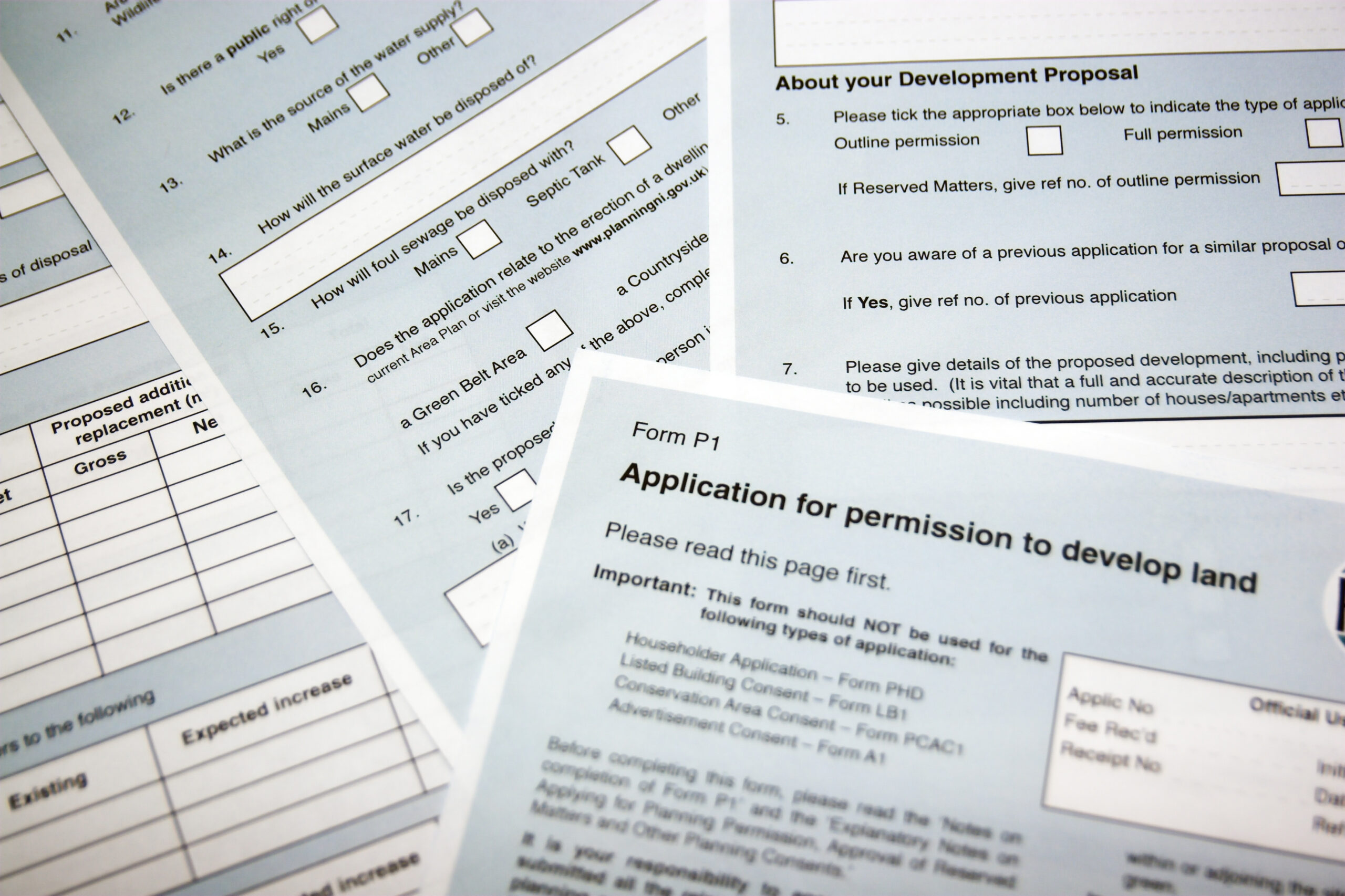
At Space M Studio we look at planning through a commercial lens, and we always keep one eye on your investment. Getting permission is only part of the job. The aim is a space that works for your business and makes sense financially. These 10 tips will help you avoid common pitfalls, save time and give your application the best chance of approval.
1. Talk to Us Before You Sign
The most valuable planning advice often comes before you have committed to a lease or purchase. Planning restrictions, the current use class, conservation status and access constraints can all affect whether a property suits your business.
Bring us in early. We can spot risks you might not see, and we can help you negotiate better terms. These might include making the deal conditional on planning approval, securing a rent-free period that covers the approval and fit-out timeline, or agreeing landlord contributions. Getting this right at the start reduces your risk and strengthens your business case.
2. Check Whether You Actually Need Permission
Not every project needs a full application. Many works and changes of use fall under Permitted Development Rights or within the same use class. If you aren’t sure, a Lawful Development Certificate gives you legal confirmation that your plans don’t need permission. That gives you peace of mind, and it gives landlords, lenders and buyers the same reassurance.
3. Know When Pre-Application Advice Is Worth It
Engaging with your Local Planning Authority early can bring potential objections to light while they are still easy and inexpensive to resolve. But pre-application advice isn’t always the right call. Council fees and response times vary, and for some projects the time and cost involved can outweigh the value of the feedback.
We’ll give you an honest view on whether a pre-application approach will genuinely benefit your project. Where it will, we prepare and lead the discussions so you get clear, useful feedback rather than vague comments.
4. Understand Local Planning Policies, and Know When to Challenge Them
Every council has its own Local Plan and design guidance. Sites in conservation areas, the green belt or near listed buildings come with extra requirements. Knowing these rules from the start means your design is shaped around them, so you aren’t redesigning to meet them later.
Councils don’t always get it right, though. Planning officers sometimes interpret their own policies too strictly or inconsistently, and an objection isn’t always a sound one. We give you balanced advice from the outset on when it makes sense to adapt your proposals and when to press the council to revisit its position.
If we believe a refusal has no real planning merit, we may recommend going to appeal. An appeal is a longer route, so we’ll only advise it when your case is strong and the commercial benefit of the scheme makes the extra time worthwhile. That way you won’t accept a compromise that weakens your project, or fight a battle that isn’t worth the cost.
5. Consider Your Neighbours
Objections over privacy, overshadowing, noise, parking or deliveries can slow an application down. Address these concerns in the design itself, and talk to neighbours early where it helps. This can prevent formal objections and protect your timeline.
6. Submit Accurate, Consistent Plans
Poor or inconsistent documentation is one of the most common reasons for delay or refusal. Your site plans, elevations and design statements need to tell one clear story. Because our team prepares the full package in-house, every drawing and document is consistent and nothing gets lost between separate consultants.
7. Balance Environmental Ambitions With Your Budget
Councils expect applications to address sustainability, flood risk and biodiversity, and many developments now need to show Biodiversity Net Gain. Good environmental design can also make commercial sense, because efficient buildings cost less to run and appeal to staff, customers and future tenants.
Ambition still has to be balanced against budget, though. We help you meet the council’s requirements and then prioritise the improvements that give the best return for your investment, so you aren’t paying for features that won’t pay you back. Larger schemes may also need an Environmental Impact Assessment.
8. Budget Accurately From Day One
Beyond application fees, a project involves design, surveys, specialist reports and construction. When several separate consultants each quote for their own part, costs can be hard to track and gaps can open up between them.
Space M Studio keeps everything together: one consultant, not three. You get a clear, accurate budget from the start, managed by one team that takes responsibility for the whole project.
9. Plan Around Realistic Timelines
Most applications are decided within 8 weeks, and larger or more complex schemes within 13 weeks. Contentious proposals can take longer. Build these timeframes into your opening date, lease negotiations and cash flow from the outset, and respond to council queries promptly to keep things moving.
10. Choose One Team That Sees the Whole Picture
Planning, design, budgeting and delivery all affect each other. When one team manages them together, decisions are faster, risks are spotted sooner, and every recommendation is weighed against your investment. Your project stays aligned with your business goals from first viewing to opening day.
Thinking about a new space, an extension or a change of use? Whether it’s for your business or your home, Space M Studio is your one-stop shop for planning, design and delivery, with commercial thinking at every stage. Get in touch for an early conversation, ideally before you sign.